
✨ This article was AI edited. Editorial responsibility: NationalDay24.com.
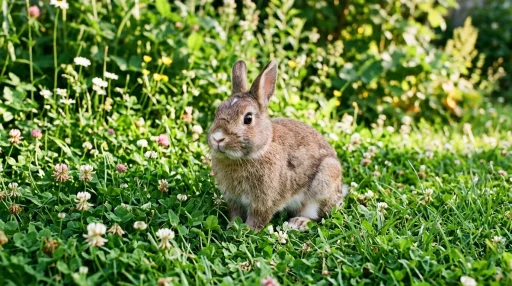
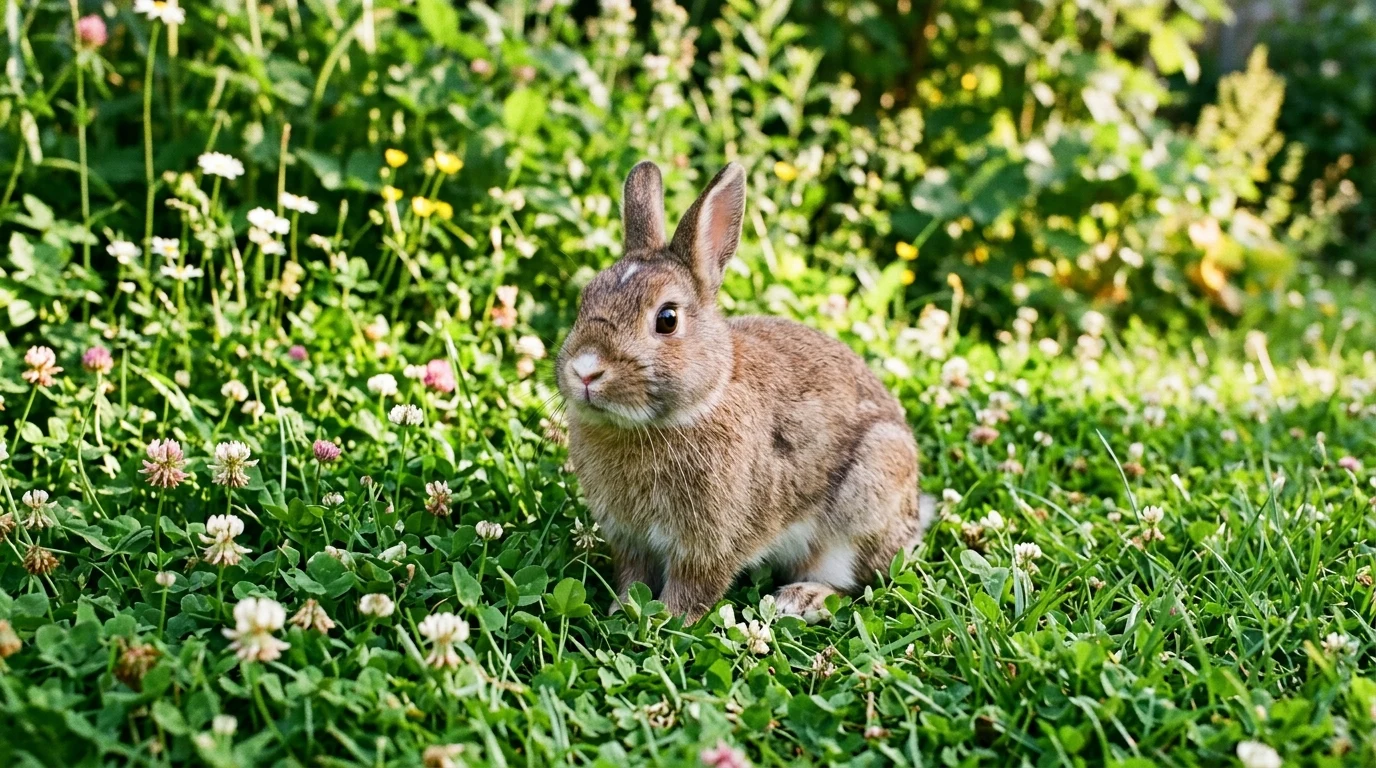
National Rabbit Day is an annual international celebration observed on the fourth Saturday of September dedicated to promoting the welfare, protection, responsible care, and adoption of domestic and wild rabbits worldwide, while raising awareness about the unique commitments required to care for companion lagomorphs.
Rabbits are among the most misunderstood companion animals in modern households. Often acquired impulsively as beginner pets for small children—especially during seasonal holidays—domestic rabbits frequently face high rates of abandonment, surrender, and neglect. National Rabbit Day was established precisely to counteract these misconceptions, educating the public on lagomorph biology, humane housing, balanced diets, and the immense joy of sharing a home with a healthy, bonded bunny.
The History and Purpose of National Rabbit Day
National Rabbit Day was first promoted by rabbit advocacy groups, humane societies, and the House Rabbit Society in the late 1990s. The holiday takes place annually on the fourth Saturday in September, establishing an international focal point for shelter volunteer drives, educational workshops, and rabbit adoption fairs.
Unlike dogs and cats, whose veterinary protocols and behavioral signals are widely understood by general pet parents, rabbits occupy a delicate space in animal husbandry. As prey animals, rabbits hide illness instinctually, possess complex gastrointestinal systems prone to life-threatening stasis, and require specialized exotic veterinary care. National Rabbit Day serves as an urgent reminder that pet rabbits are not low-maintenance pocket pets, but intelligent, social creatures deserving decades-long stewardship.
Key Objectives of the Holiday
- Promoting Shelter Adoption: Urging prospective guardians to adopt abandoned bunnies from rescue networks rather than purchasing from commercial pet stores or backyard breeders.
- Preventing Premature Surrenders: Informing new owners of behavioral needs, litter box habits, chew-proofing requirements, and veterinary costs before acquisition.
- Wild Lagomorph Conservation: Supporting habitat restoration, wildlife rescue initiatives, and conservation programs for endangered wild hares and cottontails facing environmental pressures.
- Advocating Against Cruelty: Encouraging consumer boycotts of fur, commercial testing, and inhumane housing practices across global agriculture and manufacturing.
Understanding Domestic Rabbit Needs: The Core Care Pillars
Providing an optimal living environment for a domestic bunny requires deliberate preparation, proper equipment, and a firm grasp of lagomorph anatomy. The traditional image of a solitary rabbit confined to a cramped outdoor wooden hutch in the garden has been thoroughly debunked by modern veterinary medicine. Rabbits are indoor companion animals that thrive on indoor free-roaming or expansive pen systems.
1. Housing and Spatial Freedom
A standard wire cage sold in supermarkets is severely inadequate for a rabbit’s developmental and physiological health. Rabbits need sufficient vertical and horizontal room to perform their natural repertoire of behaviors: hopping, standing upright on hind legs, stretching out completely, and executing joyous jumps known as binkies.
Recommended housing alternatives include:
- Exercise Pens (x-pens): Dog exercise pens with a minimum height of 36 to 42 inches provide a secure, spacious boundary while safeguarding household cords and baseboards.
- Custom Bunny Rooms: Dedicated bedrooms proofed against electrical wires, carpet chewing, and toxic houseplants allow full-time unrestrained movement.
- Free-Roaming Living Spaces: With thorough rabbit-proofing, litter box training, and non-slip rugs on slippery hardwood floors, rabbits can live openly alongside humans just like indoor cats.
2. The Essential Lagomorph Diet
A rabbit’s digestive tract is built for constant, high-fiber forage. The single most common health emergency in rabbits is Gastrointestinal (GI) Stasis, a fatal cessation of gut motility often triggered by inadequate fiber intake or acute pain. Adhering to the 80/15/5 nutritional rule is critical:
| Dietary Element | Recommended Percentage | Description and Nutritional Purpose |
|---|---|---|
| Timothy or Meadow Hay | 80% – 85% | Unrestricted 24/7 access. Continuous chewing grinds down continually growing open-rooted teeth and fuels healthy cecal fermentation. |
| Fresh Leafy Greens | 10% – 15% | Romaine lettuce, cilantro, parsley, dill, bok choy, and mint. Provides vital hydration, vitamins, and natural foraging enrichment. |
| High-Fiber Pellets | 5% | Plain, uniform timothy-based pellets (approximately 1/8 to 1/4 cup per 5 lbs body weight). Avoid colorful mixes containing seeds, corn, or dried fruit. |
| Healthy Treats | Minimal (<1 teaspoon) | Occasional fingernail-sized slices of fresh apple, banana, or carrot. High sugar content can easily disturb delicate cecal microflora. |
How to Meaningfully Celebrate National Rabbit Day
Whether you currently share your life with a bonded bunny pair or simply care deeply about animal welfare, there are dozens of impactful, positive ways to observe National Rabbit Day in your community:
1. Spoil Your Companion Bunny Safely
Reward your house rabbit with sensory and cognitive enrichment. Create DIY foraging boxes using plain cardboard boxes stuffed with fragrant orchard grass, organic dried herbs, and hidden pellets. Introduce safe applewood chew sticks, willow balls, or woven sea-grass mats to engage their innate burrowing and chewing instincts.
2. Support Local Exotic Pet Rescues
Exotic animal shelters operate under extreme capacity limits and often struggle to fund expensive rabbit surgeries, spaying, neutering, and dental procedures. You can make an immediate tangible difference by:
- Donating bales of fresh first-cut or second-cut Timothy hay.
- Supplying washable fleece blankets, non-toxic paper bedding, and heavy ceramic water bowls.
- Offering volunteer hours to clean exercise pens, socialize timid bunnies, and assist with transport to veterinary appointments.
- Sponsoring medical bills for long-term sanctuary rabbits needing ongoing chronic care.
3. Educate Friends and Family
Counteract persistent childhood myths on social media. Share authentic photographs showing real rabbit body language, debunk the myth that rabbits eat solely carrots, and explain why outdoor hutches expose rabbits to lethal temperature extremes, predators, and flystrike. Education is the frontline defense against neglect.
Wild Lagomorphs: Conservation and Ecosystem Importance
National Rabbit Day extends beyond the hearth to wild lagomorph species, including cottontails, jackrabbits, snowshoe hares, and the critically endangered pygmy rabbit. In wild ecosystems, lagomorphs serve as keystone prey species supporting raptors, foxes, and wild felines, while their foraging habits disperse native seeds and shape grassland architecture.
Human development, suburban sprawl, vehicular collisions, and the spread of Rabbit Hemorrhagic Disease Virus (RHDV2) pose severe threats to wild populations. You can aid wild rabbits by planting native wildflowers in your garden, keeping domestic cats strictly indoors, and promptly contacting licensed wildlife rehabilitators if you uncover an injured wild hare or disturbed nest.
Frequently Asked Questions About National Rabbit Day & Bunny Care
When is National Rabbit Day celebrated?
National Rabbit Day is officially celebrated every year on the fourth Saturday in September across the United States, Canada, the United Kingdom, and international rescue organizations.
Can rabbits live harmoniously with dogs and cats?
Yes, with careful gradual socialization and strict supervised interaction. However, because rabbits are prey animals, animals with high predatory drive must always be securely separated to avoid severe panic, stress, or predatory incidents.
Why is spaying or neutering essential for pet rabbits?
Spaying and neutering eliminates the nearly 80% risk of uterine cancer in unspayed female rabbits over four years of age. It also resolves territorial spraying, hormone-driven aggression, and allows rabbits to be safely bonded into affectionate pairs.
How long do domestic rabbits typically live?
With proper indoor care, a high-fiber hay diet, regular specialized exotic veterinary exams, and attentive companionship, domestic rabbits commonly live between 8 to 12 years, with some living even longer.
Conclusion: Honoring Our Gentle Companions
National Rabbit Day reminds us that true companionship is rooted in understanding an animal on its own terms. By providing expansive indoor environments, unlimited fresh grass hay, compassionate patience, and timely veterinary attention, we create a sanctuary where these gentle, intelligent, and humorous creatures can flourish. Let this National Rabbit Day be an opportunity to champion rabbit rescue, educate our communities, and give our beloved bunnies the thriving lives they deserve.
Get our latest guides, news, and insights highlighted in your Google Search & AI Overviews.