
✨ This article was AI edited. Editorial responsibility: NationalDay24.com.
Nat Day (short for National Day) is a designated annual calendar date on which a sovereign nation, territory, or distinct cultural populace commemorates its formal statehood, independence, constitutional revolution, or collective historical heritage through grand civic parades, state honors, cultural festivals, and patriotic observances.
Across the globe, every country pauses on its calendar to reflect upon the defining moments that established its sovereignty, identity, and shared destiny. Known colloquially in media and civic discourse as “Nat Day” or formally as National Day, these public celebrations bring millions of citizens together in public squares, riverfronts, and community centers. Beyond political statehood, the term has also expanded in contemporary vernacular to describe the rich universe of thematic daily holidays that honor art, food, professions, and humanitarian causes every day of the year.
The Historical Architecture of a Nation’s Most Important Holiday
The concept of an official national day evolved in parallel with the modern nation-state during the late eighteenth and nineteenth centuries. Prior to constitutional republics and democratic revolutions, civic commemorations typically revolved around royal birthdays, coronations, or religious holy days. The rise of self-determination transformed civic celebrations into declarations of democratic sovereignty and popular unity.
Three Primary Types of Sovereign National Days
While every sovereign state observes its founding uniquely, national days generally fall into one of three distinct historical categories:
- Independence Days: Commemorating liberation from colonial governance, imperial rule, or foreign occupation. Examples include July 4th in the United States, August 15th in India, and September 16th in Mexico. These holidays frequently celebrate the signing of founding declarations or the culmination of liberation struggles.
- Revolutionary and Republic Days: Marking the overthrow of an absolute monarchy, the adoption of a democratic constitution, or the founding of a republic. France’s Bastille Day (July 14) and Italy’s Festa della Repubblica (June 2) are iconic examples.
- Monarchical, Dynastic, or Patron Saint Days: In long-standing constitutional monarchies, national days often align with the reigning sovereign’s official birthday, coronation date, or the feast day of the country’s patron saint, such as Koningsdag (King’s Day) in the Netherlands or St. Patrick’s Day in Ireland.
Famous National Day Celebrations Across the World
National days showcase the pinnacle of national culture, artistic achievement, and civic pride. Below is an overview of some of the most celebrated and internationally recognized national days:
| Country & Holiday | Official Date | Historic Event Commemorated | Key Ceremonial Traditions |
|---|---|---|---|
| United States (Independence Day) | July 4 | Adoption of the Declaration of Independence in 1776. | Massive municipal fireworks displays, neighborhood barbecues, marching band parades, and civic naturalization ceremonies. |
| France (Fête Nationale / Bastille Day) | July 14 | Storming of the Bastille in 1789 and the Fête de la Fédération in 1790. | The oldest and largest regular military parade in Europe on the Champs-Élysées, aerial flyovers with tricolor smoke, and traditional firehouse balls (Bals des pompiers). |
| Singapore (National Day) | August 9 | Formal independence and sovereignty declared in 1965. | The monumental National Day Parade (NDP), Red Lions parachute descents, unified mass singing of theme songs, and synchronized fireworks over Marina Bay. |
| United Arab Emirates (National Day) | December 2 | Unification of the seven Emirates in 1971. | Elaborate drone shows, heritage village displays, classic car rallies, and multi-day public holiday celebrations celebrating Bedouin traditions and modern innovation. |
| Norway (Syttende Mai / Constitution Day) | May 17 | Signing of the Constitution at Eidsvoll in 1814. | Distinguished by joyous non-military children’s parades (Barnetoget), citizens wearing traditional regional folk costumes (bunad), and community breakfasts. |
Universal Elements of Sovereign National Day Celebrations
Despite vastly distinct historical contexts and geographical origins, nearly all sovereign national day celebrations share a common set of civic and cultural rituals:
1. Grand Parades and Civic Pageantry
Processions are central to national day celebrations. In some nations, these take the form of formal military reviews displaying defense readiness and ceremonial guards. In other nations, parades are purely civic and festive, highlighting youth groups, school bands, cultural dance troupes, and regional floats honoring local agricultural or industrial achievements.
2. Illuminations, Light Shows, and Fireworks
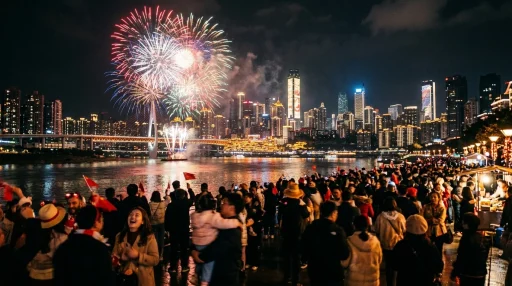
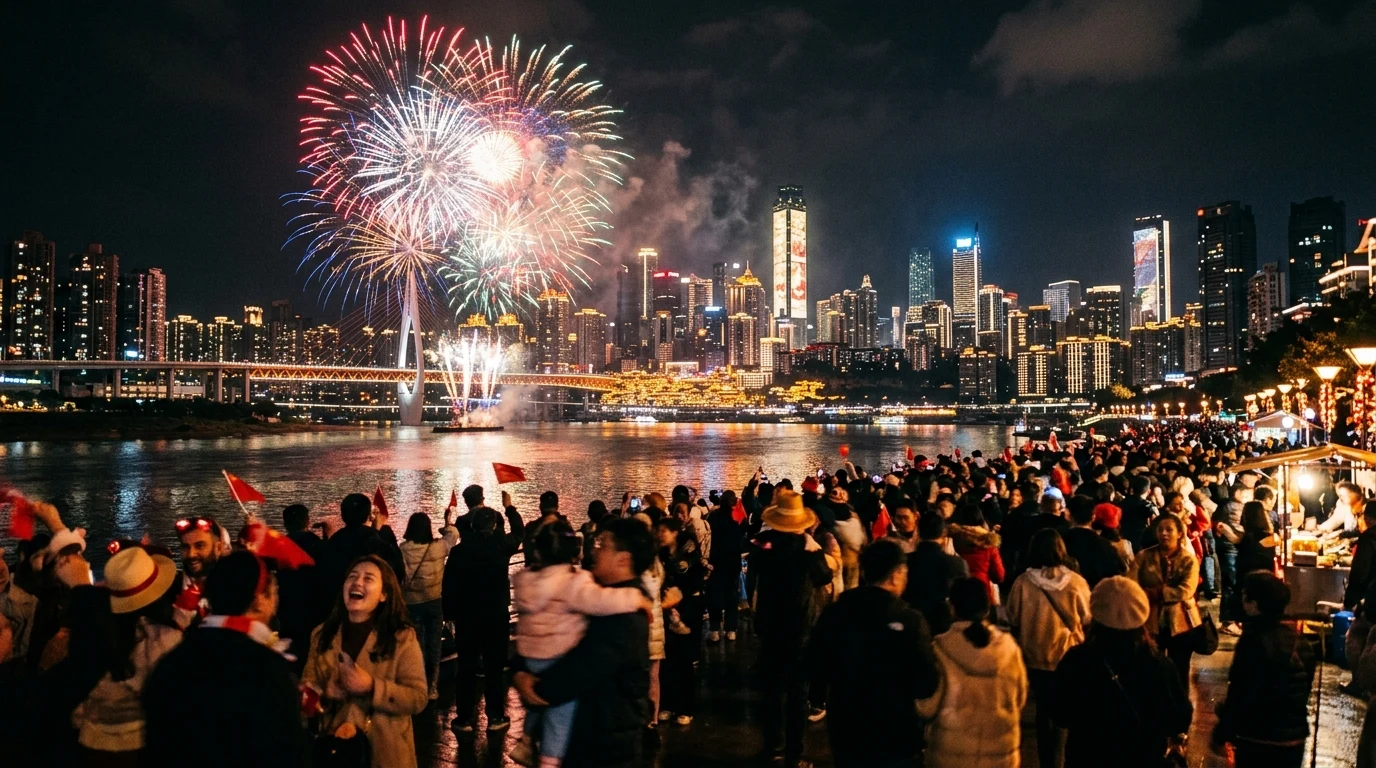
As evening falls, national day celebrations universally culminate in dazzling light displays. From multi-million dollar pyrotechnic symphonies synchronized to patriotic musical compositions over world capitals, to high-tech aerial drone choreographies and architectural laser projections on national monuments, light symbolizes national endurance and optimism for future generations.
3. Traditional Culinary Feasts and Street Food Markets
Food is inseparable from national identity. Families gather to prepare traditional dishes passed down through generations. Street vendors and food festivals offer quintessential national dishes—from outdoor grills and savory pastries to national sweets—creating vibrant communal dining experiences where neighbors celebrate their shared heritage.
The Evolution from Sovereign Holidays to Thematic “Nat Days”
In modern digital society, the abbreviation “Nat Day” has taken on an expanded second meaning. Online communities, educators, and social media platforms frequently use “nat day” as shorthand for the hundreds of thematic observances that occur every day—such as National Wildlife Day, National Book Day, or National Science Day.
This cultural evolution reflects our collective desire to find daily reasons for connection and shared reflection. While sovereign national days unite citizens around constitutional history and political sovereignty, daily thematic national days celebrate our shared human interests, professional achievements, culinary passions, and environmental commitments. Together, both forms of national days enrich our calendar and offer continuous opportunities to celebrate what matters most.
Frequently Asked Questions About National Days
What does the abbreviation “Nat Day” stand for?
“Nat Day” is a widely used abbreviation and colloquial shorthand for National Day, referring either to a country’s official founding/independence holiday or to a specific thematic daily holiday.
Does every sovereign country have an official National Day?
Almost every recognized sovereign state has at least one official national day. One notable exception is the United Kingdom, which does not have a single official national day for the entire union, though its constituent nations celebrate their respective patron saints’ days.
Can a country celebrate more than one National Day?
Yes. Several nations observe multiple major national holidays. For example, India celebrates Republic Day on January 26 and Independence Day on August 15, both carrying paramount constitutional and historical significance.
Are businesses and schools closed on National Day?
On official sovereign national holidays, government institutions, schools, banks, and non-essential businesses are typically closed, allowing citizens to participate in national festivities and public ceremonies.
Conclusion: The Enduring Power of Collective Celebration
Whether honoring a nation’s historic hard-won independence or celebrating a creative everyday pursuit, a Nat Day is a powerful testament to our need for collective belonging. These observances provide meaningful pauses in our busy lives to appreciate our roots, honor our communities, and look forward with shared hope. As you observe upcoming national holidays, take a moment to reflect on the stories, sacrifices, and unity that make each celebration enduringly special.
Get our latest guides, news, and insights highlighted in your Google Search & AI Overviews.