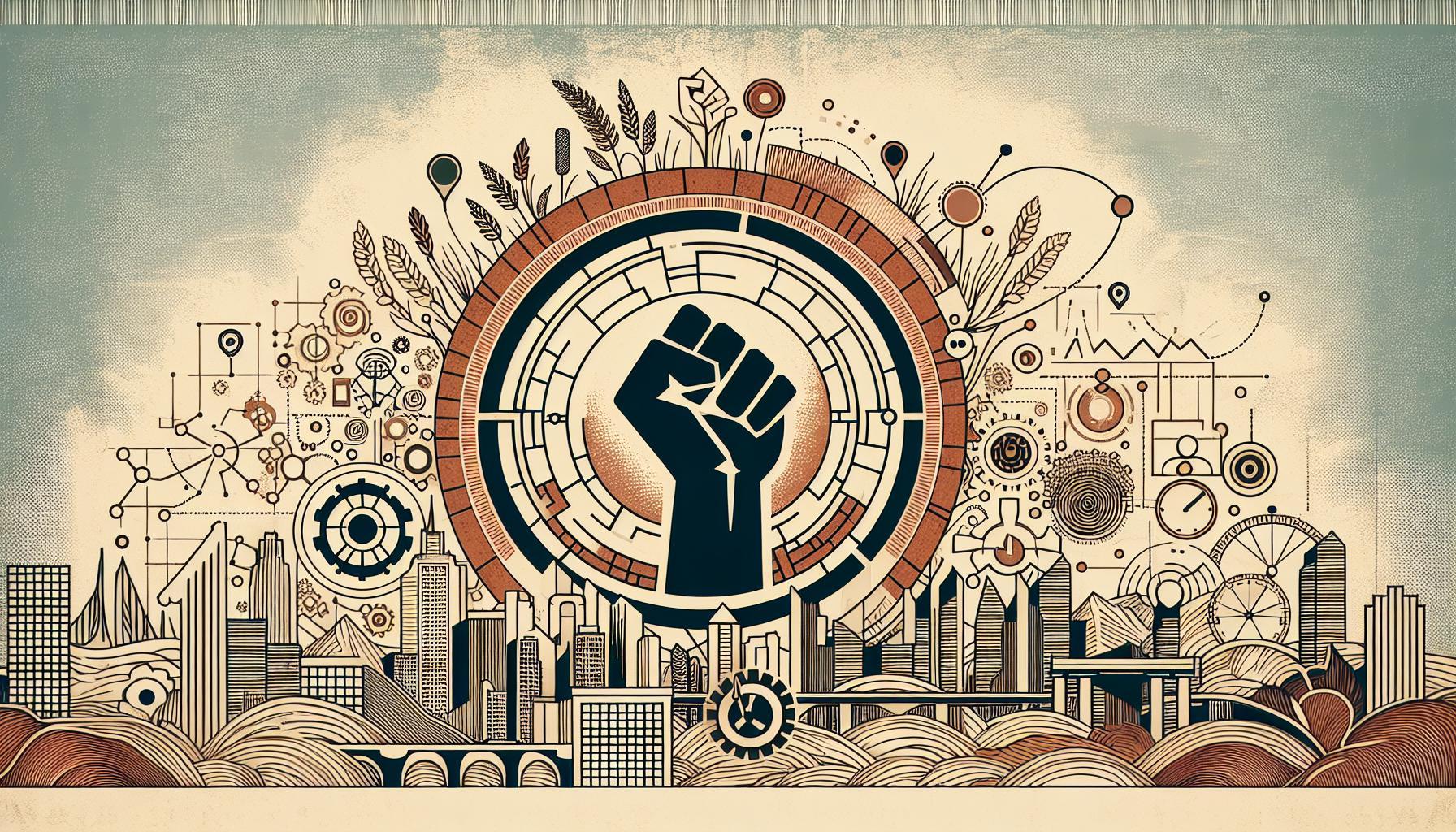

Protests have long been a vital expression of democratic values, giving voice to those who seek change and justice. Understanding the history and impact of these movements is crucial for anyone looking to participate meaningfully. This guide will illuminate the significance of national days of action, offering insights for future engagement and activism.
The Origins of the National Day of Protest: A Journey Through History
The National Day of Protest, a powerful symbol of collective action, has its roots deeply embedded in the vibrant history of social movements across the globe. This day serves as a reminder that citizens have the power to demand change and hold their leaders accountable. Originating from a variety of historical protests and calls for justice, it taps into the spirit of resistance that has characterized many pivotal moments in modern history.
In the United States, recent manifestations of this protest day echo the sentiments of earlier movements that sought to address issues of inequality, civil rights, and political accountability. The #50501 movement represents a significant evolution of these grassroots efforts, advocating for coordinated protests across all 50 states in response to perceived injustices and undemocratic actions of the government. This decentralized model encourages participation from diverse communities, uniting individuals across geographical and ideological divides under a common goal of reform and representation [[2]].
A notable instance leading to the current framework of the National Day of Protest occurred during the heightened socio-political tensions in recent years, particularly surrounding the Trump administration. Organized protests like those seen on February 5, 2025, were characterized by demonstrators rallying in state capitals, holding signs and voicing their concerns over policies they deemed harmful. These gatherings not only reflected local discontent but also connected citizens nationwide, illustrating the power of unified action against perceived governmental overreach [[3]].
Participating in the National Day of Protest offers individuals a unique opportunity to engage with their communities and express their values. For those looking to get involved, understanding the historical context of the day can amplify its significance. As individuals come together, they forge connections that can lead to sustained activism and advocacy, all while honoring the legacy of those who fought for justice before them. Whether joining a rally, creating banners, or organizing local events, each action contributes to the ongoing narrative of protest in American history.
How to Get Involved: Making Your Voice Heard
Engaging in protests is more than just a way to express dissent; it’s a powerful opportunity to unite with others who share similar values and goals. The upcoming National Day of Protest offers a platform for individuals to come together, voice their concerns, and advocate for change. By actively participating, you contribute to a collective call for action that resonates across the nation, amplifying the impact of your message.
Ways to Get Involved
Getting involved in the National Day of Protest can take various forms. Here are some practical steps to make your voice heard:
- Join a Local Event: Check local listings for organized events in your area. Many community groups will host gatherings, marches, and rallies. Participating in a local event helps build community and can lead to more significant change.
- Spread the Word: Utilize social media platforms to share information about the protest. Use hashtags associated with the event to connect with a broader audience, and encourage friends and family to join you.
- Create Informational Materials: Designing pamphlets or online graphics can help inform others about the protest’s goals. Provide facts, statistics, and reasons why the cause matters to engage more participants.
- Volunteer: Many organizations coordinating protests need volunteers for logistics, communications, or support roles. Offering your time can greatly enhance the efficiency and outreach of the event.
Making Your Participation Count
To ensure that your involvement during the National Day of Protest is impactful, consider the following:
- Be Informed: Understanding the history and goals behind the protest, as highlighted in the National Day of Protest: Day of Protest History & Participation Guide, allows you to discuss important issues knowledgeably.
- Engage Respectfully: While passionate discourse is encouraged, maintaining respect in all interactions during protests fosters a safer and more productive environment.
- Follow Up: After the event, keep the momentum going by staying involved in the cause. Follow up with organizations you aligned with during the protest to participate in future initiatives or campaigns.
Ultimately, the National Day of Protest serves as an invitation to not only express dissatisfaction but also to advocate for solutions. By effectively harnessing your participation, you can play a role in shaping the dialogue around critical issues, making your voice a vital part of the conversation.
Organizing a Local Event: Tips for Success
When it comes to organizing a local event, particularly one that resonates with themes from the National Day of Protest, a well-structured approach can mean the difference between success and disappointment. With the intent to mobilize community members to express their opinions, it’s essential to lay a solid foundation through careful planning and execution.
Identify Your Purpose and Audience
Begin by defining the core purpose of your event. What message do you wish to convey? Is it a call to action about a current issue, awareness for a cause, or solidarity with a national movement? Understanding the purpose helps tailor your outreach effectively. Additionally, knowing your target audience will shape the activities, speakers, and overall tone of the event. Some questions to consider include:
- Who are you trying to reach?
- What demographics are most likely to be interested?
- What avenues do they use to get information?
Gather Resources and Support
Successful events often rely on a strong network. Engage local businesses, organizations, or community groups that align with your cause to lend their support. This could take the form of sponsorships, volunteers, or even partnerships in organizing. Consider creating a checklist of resources you’ll need:
| Resource Type | Examples | Potential Supporters |
|---|---|---|
| Venue | Community center, park | Local government, schools |
| Promotional Material | Flyers, social media ads | Local artists, graphic designers |
| Speakers | Activists, experts | Universities, NGOs |
Promote the Event Effectively
Once the groundwork is laid, it’s crucial to get the word out. Utilize both online and offline channels tailored to your target audience. Leverage social media platforms to create buzz and employ creative hashtags related to the National Day of Protest and your event. Additionally, consider:
- Creating visually appealing flyers for distribution in local neighborhoods.
- Engaging local media outlets for coverage.
- Encouraging participants to share their intentions to attend via their social networks.
An inviting event description emphasizing the shared community spirit can ignite interest and participation. Remember, your goal is to not only gather people but to motivate them to action reflective of the values celebrated on the National Day of Protest.
By immersing yourself in these steps and adjusting strategies according to your community’s unique characteristics, you can harness local sentiments to create a powerful and engaging event that inspires change.
Creative Ways to Show Your Support: Beyond the Rally
One powerful way to amplify your voice during the National Day of Protest is to engage in creative acts of support that extend beyond traditional rallies. While attending a rally is a crucial method for displaying solidarity, there are numerous other innovative approaches to ensure that your message resonates long after the event. From digital activism to community projects, every effort counts in the continuous fight for change and awareness.
Digital Activism: Harnessing the Power of Social Media
In today’s digital age, social media platforms serve as an invaluable tool for raising awareness and mobilizing action. Here are a few creative ideas you can implement:
- Create a Hashtag Campaign: Develop a unique hashtag related to the National Day of Protest and encourage others to use it when sharing their thoughts or experiences.
- Video Messages: Record a short video explaining why the protest matters to you and share it on platforms like Instagram, TikTok, or Facebook.
- Art and Creativity: Design digital artwork or graphics that reflect the principles of the protest. Share them widely to foster engagement and provoke thought.
- Host Live Discussions: Organize a live session on platforms like Facebook Live or Instagram Live, inviting others to discuss pertinent issues surrounding the protest.
Local Community Projects: Grassroots Movements
Beyond digital presence, fostering community spirit through local projects can be immensely impactful. Here are some ways to contribute at the grassroots level:
- Community Clean-Up: Organize a community clean-up event that promotes environmental justice, connecting local issues to larger movements.
- Workshops and Panels: Hold educational workshops or panel discussions in your community center to discuss the history of the protest and its objectives.
- Support Local Advocacy Groups: Collaborate with local organizations that align with the protest’s goals, contributing time or resources to enhance their efforts.
Expressive Arts: Making Your Voice Heard
Art has long been a medium for social change, and it’s a fantastic avenue to express support creatively. Consider these options:
- Street Art: Paint murals or create street art that reflects the protest’s themes, ensuring it’s done legally and with permission in public spaces.
- Performative Art: Organize a flash mob or a theatrical performance in a public space to draw attention to your cause.
- Poetry and Journaling: Host open mic nights or poetry readings that allow for self-expression and share perspectives related to the National Day of Protest.
Table: Creative Ways to Show Support
| Method | Description |
|---|---|
| Digital Activism | Leverage social media for awareness and engagement through campaigns, videos, and discussions. |
| Local Projects | Engage your community with clean-up days, workshops, and partnerships with advocacy groups. |
| Artistic Expression | Create street art, perform live pieces, or host literary events to voice your support. |
Each creative endeavor not only extends the reach of your voice but also inspires others to join you in the journey towards change. By thinking outside the box, you can magnify the impact of the National Day of Protest, ensuring that its message continues to resonate in diverse and powerful ways.
Stories from Past Protests: Inspiring Voices and Transformative Moments
The power of collective voices during protests has led to pivotal changes throughout history, echoing in the hearts of those who participated and resonating with future generations. The National Day of Protest has become a significant occasion to honor these transformative moments and inspiring voices. Understanding the stories behind past protests can ignite motivation and a commitment to community activism.
Profound Moments of Unity
Many protests throughout history have showcased remarkable unity among diverse groups, effectively amplifying their messages. For instance, during the Civil Rights Movement of the 1960s, marches such as the March on Washington for Jobs and Freedom not only called attention to racial injustice but united individuals across many backgrounds. The speeches delivered there, particularly Martin Luther King Jr.’s iconic “I Have a Dream,” underscored the importance of solidarity in pursuit of equality. Today, activists often look back on these events to draw inspiration and recognize the strength in diversity.
Voices of Change: Personal Narratives
The stories of individual participants often become symbols of larger movements. Take the example of Malala Yousafzai, who, despite facing grave danger, spoke out for educational rights for girls. Her bold stand inspired thousands worldwide, illustrating how one voice can catalyze global change. Similarly, the 2017 Women’s March, which saw millions mobilizing across the globe, highlighted a myriad of issues, from gender equality to immigrant rights. Participants shared their experiences on social media platforms, creating a narrative that spread far beyond the event itself.
- Engage with History: Read firsthand accounts from participants in past protests to understand their motivations and challenges faced.
- Document Your Experiences: Consider keeping a journal or blog to reflect on your involvement in modern protests, fostering a legacy of voices for future activists.
- Connect with Others: Join local activist groups to build connections. Sharing stories can create a collective history that encourages continued action.
Building Momentum: Organizing Future Protests
The lessons drawn from historical protests can be vital in planning for future activism. A format that emphasizes inclusivity and intersectionality can help ensure that all voices are heard. Organizers can learn from successful protests by considering aspects such as messaging, outreach, and community involvement.
| Key Elements of Successful Protests | Description |
|---|---|
| Clear Goals | Define specific outcomes you wish to achieve through the protest. |
| Strong Leadership | Identify leaders who can inspire and mobilize participants effectively. |
| Inclusive Participation | Encourage diverse groups to join and share their unique stories. |
| Effective Communication | Utilize social media and local media outlets to spread the message widely. |
As we honor the narratives behind the National Day of Protest, it becomes clear that every story is a thread in the fabric of social change. By recognizing and sharing these inspiring moments, we empower ourselves to continue the journey toward justice and equity.
The Impact of Protest: Understanding Change Through Collective Action
Protests have historically served as powerful catalysts for societal change, highlighting the collective voices of individuals who unite for a common cause. The National Day of Protest, celebrated annually, stands as a testament to the enduring effects that collective action can exert on social, political, and economic systems. This day not only honors the legacy of previous movements but also calls individuals to reflect on contemporary issues, fostering an environment ripe for dialogue, awareness, and ultimately, transformation.
The Mechanics of Change through Collective Action
Understanding how protests facilitate change requires examining several key components. Firstly, visibility is a major factor. Protesting draws public attention to targeted issues, leveraging media coverage to amplify voices that may otherwise go unheard. This visibility can influence public opinion and create pressure on policymakers to take action.
Additionally, protests often foster a sense of community and solidarity, bringing together diverse groups under a shared vision. Such unity can strengthen individual resolve, demonstrating that a single voice can multiply exponentially when joined with others. For instance, the Civil Rights Movement in the United States, which culminated in landmark legislation like the Civil Rights Act of 1964, showcased how collective action not only raised awareness but also directly influenced legislative change.
Real-World Examples of Change Driven by Protests
To illustrate the tangible impacts of protests, consider the following examples:
- The Women’s March (2017): This global movement advocated for women’s rights and has inspired ongoing activism in various realms, from reproductive rights to gender equality.
- Black Lives Matter (2013-present): Born out of a response to systemic racism and police violence, this movement has ignited worldwide discussions on racial equity and has led to policy changes across numerous municipalities and organizations.
- Fridays for Future (2018-present): Spearheaded by youth climate activists, this movement has mobilized millions globally to demand urgent action on climate change, influencing international climate agreements and shaping public discourse.
Steps to Engage in Collective Action
For those inspired by the history and impact of the National Day of Protest, actively participating in collective actions can be both empowering and critical for enacting change. Here are a few actionable steps:
- Stay Informed: Knowledge is power. Engage with reliable sources to understand the issues at hand and the historical context of the protests.
- Join Local Events: Participate in local protests or community meetings to connect with like-minded individuals and amplify your voice.
- Utilize Social Media: Share information, raise awareness, and mobilize others by using platforms to discuss critical issues. Hashtags can help increase visibility.
- Engage in Advocacy: Contact local representatives, sign petitions, or contribute to organizations aligned with your values to support longer-term change beyond the protest.
In summary, the synthesis of collective action offers a powerful means for societal change. By participating in nationwide events like the National Day of Protest, individuals highlight vital issues and drive forward the momentum necessary for transformative progress. Understanding this impact invites everyone to take action, ensuring their voice contributes to the greater narrative of societal evolution.
Connecting with Others: Building Community Around the Cause
Engaging with your community is essential when rallying support for a cause, especially during events like the National Day of Protest. By forging strong connections, you not only foster a sense of unity but also enhance the impact of your collective efforts. A well-coordinated approach to community engagement encourages broader participation and empowers individuals to take a stand. In this context, understanding the dynamics of community involvement can set the groundwork for meaningful participation.
Collaborative Outreach Strategies
A successful protest is fueled by an engaged community that shares a common goal. Here are some effective strategies to connect with others and build momentum around your cause:
- Inclusive Discussions: Host open forums or discussion groups where community members can share their thoughts and ideas. This not only empowers individuals but also provides valuable insights into the interests and concerns of your audience.
- Leverage Social Media: Utilize various social media platforms to create events, share information, and engage with participants. Stories of individuals affected by the issue can highlight personal narratives that resonate with the wider community.
- Partnerships with Local Organizations: Collaborate with local nonprofits, schools, and businesses that align with your cause. Such partnerships can amplify your message and provide additional resources for the protest.
Building a Supportive Environment
Creating a welcoming atmosphere is key to fostering long-term relationships. Ensure that your outreach includes diverse voices, as this diversity enriches the collective experience. Initiate mentorship opportunities where seasoned activists can guide new participants, thereby creating a culture where everyone feels valued and heard.
Consider employing various methods to gather feedback before and after the protest to understand how the event resonated with participants. This approach not only demonstrates that you care about their opinions but also helps identify areas for improvement in future initiatives.
| Engagement Tactics | Description |
|---|---|
| Workshops | Conduct workshops that educate participants about the cause and effective activism techniques. |
| Volunteer Opportunities | Offer various roles for volunteers that accommodate different skills and availability to maximize participation. |
| Follow-Up Events | Plan post-protest events to maintain momentum and discuss next steps, fostering ongoing community involvement. |
By harnessing the power of community and establishing clear channels for communication and collaboration, participants in the National Day of Protest can harness their collective strength to drive impactful change. This unified approach not only amplifies voices but also ensures that the fight for justice and equality continues beyond a single day.
Resources and Tools for First-Time Protesters: Your Essential Guide
Stepping into the realm of activism for the first time can feel both exhilarating and overwhelming. The National Day of Protest is a powerful opportunity for individuals to raise their voices and advocate for change. To aid first-time protesters in navigating this important event, we’ve compiled a comprehensive guide filled with essential resources and tools designed to empower and inform.
Understanding Your Rights
It’s crucial for first-time protesters to be aware of their legal rights during demonstrations. Knowing what you can and cannot do can significantly enhance your confidence and safety. Here are a few key points to keep in mind:
- Right to Assemble: You can gather peacefully with others to express your beliefs.
- Right to Free Speech: Speak your mind without fear of censorship, provided your expression does not incite violence.
- Know Local Laws: Each state has specific laws regarding protests, such as permits or designated protest zones.
Consider consulting resources from organizations like the ACLU or the National Lawyers Guild which provide guidelines on your rights as a protester and what to do if you face legal troubles.
Prepping for the Protest
Preparation is key for a successful protest experience. Equip yourself with practical tools and supplies to ensure your safety and enhance your participation. A well-thought-out checklist can help you remain focused on the cause.
| Essential Items | Description |
|---|---|
| Comfortable Shoes | Wear shoes you can walk in for long periods. |
| Water Bottle | Stay hydrated, especially in large crowds. |
| Sunscreen | Protect your skin if you’ll be outdoors for extended time. |
| Sign Materials | Bring cardboard, paint, and markers to create visible messages. |
| First Aid Kit | Prepare for common injuries, bruises, or scrapes during the event. |
Don’t forget to charge your phone before heading out; this will help you stay connected and share your experience on social media, further amplifying your message.
Connecting with Others
The strength of any protest lies in numbers, and as a first-time protester, building connections with like-minded individuals can create a more enriching experience. Seek out local activist groups or social media platforms where you can discuss ideas and strategies.
Participating in a pre-protest meeting organized by advocacy groups often provides insights into the goals of the protest, allowing you to better convey the message of the movement. Many organizations also have online forums or meetups where seasoned activists can share their experiences and tips, making it easier for newcomers to feel integrated and informed.
By leveraging these resources and preparing adequately, first-time protesters can fully engage in the National Day of Protest, advocating for change while feeling empowered and safe.
Faq
What is the National Day of Protest?
The National Day of Protest is a significant event that unites people to voice their concerns on various social, political, and economic issues. It’s designed to raise awareness and encourage civic engagement across the country.
Held annually, this day sees thousands coming together in protests and demonstrations to advocate for change. It highlights the power of collective action, inspiring many to participate and support causes that matter to them. For more details, check our Day of Protest History & Participation Guide.
Why does the National Day of Protest matter?
The National Day of Protest emphasizes the importance of civic engagement and democratic participation. It serves as a platform for individuals to express their views and demand action on pressing issues.
This event reminds us that every voice counts; it encourages communities to stand together for justice, equality, and change. Participation is vital, as it fosters a sense of unity and empowerment among individuals advocating for shared goals.
How can I participate in the National Day of Protest?
To participate in the National Day of Protest, join local events, spread the word on social media, and encourage friends and family to get involved. Check local listings or activist groups for planned demonstrations.
Whether you choose to march, volunteer, or simply share your views online, every action counts. Engaging with others who are passionate about similar issues can amplify your impact and inspire more people to join the cause.
Can I organize a protest for the National Day of Protest?
Yes! You can definitely organize a protest on the National Day of Protest. Begin by gathering a group of like-minded individuals who share your goals and messages.
Ensure to plan logistics such as location, permits, and promotional materials. Outreach through social media and community forums can also help attract more participants to your cause.
What types of issues are addressed on the National Day of Protest?
The National Day of Protest addresses a wide range of issues, including social injustices, workers’ rights, climate change, and political reform. It provides a voice for various movements and causes.
Participants might rally for equality, freedom, or policy changes, making it a crucial day for highlighting systemic problems that impact communities nationwide. This diversity of focus showcases the range of concerns that resonate across different populations.
How has the National Day of Protest evolved over the years?
Over the years, the National Day of Protest has evolved to reflect contemporary issues and movements. Initially focusing on labor rights, it has expanded to encompass a variety of social and environmental causes.
This evolution signifies the changing landscape of activism, as new generations bring fresh perspectives and urgency to longstanding issues. Engaging in protests on this day allows participants to connect with historical movements while addressing current challenges.
What should I know before attending a protest on this day?
Before attending a protest on the National Day of Protest, it’s important to understand the goals of the event and any specific regulations or safety measures in place. Prepare by researching the cause and bringing essential items like water, signs, and comfortable clothing.
Familiarizing yourself with local laws regarding public gatherings can enhance your experience, ensuring a peaceful protest that effectively conveys your message. Always prioritize safety and respect for others’ rights during the event.
In Retrospect
As we wrap up our exploration of the National Day of Protest, we hope you feel inspired by the rich history and the powerful significance of collective action. From grassroots movements igniting passion across states to uniting voices for change, this day is a vibrant reminder of democracy in action. We encourage you to engage with your community, participate in local events, and share your experiences online to amplify the conversation. Every voice matters, and together, we can make a difference! So, mark your calendars, gather your friends, and prepare to join this exciting movement. Let’s celebrate and advocate for the causes that matter to us all—together, we can create lasting change!
Get our latest guides, news, and insights highlighted in your Google Search & AI Overviews.