


Are you missing out on the incredible world of mushrooms? From culinary delights to the ecological roles of these fascinating fungi, National Mushroom Day offers a perfect opportunity to explore their many benefits. Discover fun facts, mouthwatering recipes, and the thrill of foraging, all while enhancing your appreciation for these remarkable organisms.
Exploring the Wonderful World of Mushrooms
Did you know that mushrooms are closer relatives to humans than to plants? This fascinating fact sheds light on the complex and diverse world of fungi, which includes not only the commonly consumed varieties but also thousands of wild species waiting to be discovered. As we celebrate National Mushroom Day, there’s no better time to delve into the captivating universe of mushrooms, exploring their culinary potential, health benefits, and the thrill of foraging in nature.
Culinary Delights
Mushrooms constitute a vital ingredient in cuisines around the globe, offering a range of flavors and textures that can elevate any dish. From hearty portobellos to delicate chanterelles, each type presents unique cooking opportunities. Here are some popular mushrooms and their typical uses:
| Mushroom Type | Flavor Profile | Common Uses |
|---|---|---|
| Button | Mild and versatile | Salads, soups, stir-fries |
| Shiitake | Rich and savory | Stir-fries, sauces, grilled dishes |
| Porcini | Earthy and nutty | Pasta, risotto, soups |
| Morel | Meaty and complex | Gourmet dishes, sautéing |
These fungi not only add depth to flavors but also provide various health benefits, including antioxidants, vitamins, and minerals that support overall well-being.
Health Benefits of Mushrooms
Incorporating mushrooms into your diet can offer numerous health advantages. They are low in calories but packed with nutrients, making them an ideal addition to weight management diets. Here are some notable benefits:
- Rich in Antioxidants: Protect against oxidative stress and inflammation.
- Immune Support: Certain varieties, like shiitake, enhance immune function.
- Vitamin D Source: When exposed to sunlight, mushrooms produce vitamin D, crucial for bone health.
Moreover, certain medicinal mushrooms such as reishi and lion’s mane are gaining attention for their potential in cognitive enhancement and stress reduction. Exploring these varieties can lead to a fascinating journey into the therapeutic applications of fungi.
Foraging Adventures
For those who seek a more hands-on experience, mushroom foraging can be an exhilarating activity that connects you with nature. However, it’s essential to approach foraging with caution to avoid toxic species. Here are some steps to get started:
- Educate Yourself: Study field guides and take part in workshops to learn about local fungi.
- Join a Community: Connect with local mycological societies for group foraging trips.
- Use Proper Gear: Bring a basket (not plastic) for harvesting to allow spores to disperse.
- Start Slow: Focus on a few edible species and thoroughly research them before picking.
Whether you choose to forage for wild mushrooms or simply enjoy them as part of your meals, the opportunities for exploration are endless. National Mushroom Day serves as a beautiful reminder of the wonders of fungi, inviting all to relish their culinary delights and the joy of discovering their natural habitat.
Fascinating Fungi Facts You Didn’t Know
Did you know that fungi play a crucial role in the ecosystem and support life on Earth in ways that are often overlooked? These fascinating organisms are not just edible delicacies enjoyed on National Mushroom Day; they also provide significant benefits to the environment and human health. Here are some intriguing facts about fungi that expand beyond common knowledge.
1. Vital Soil Organisms
Fungi serve as essential decomposers within ecosystems, breaking down organic matter and recycling nutrients back into the soil. This process is vital for maintaining soil health and fertility. The majority of plants depend on mycorrhizal fungi, which form symbiotic relationships with their roots, enabling efficient nutrient uptake. In fact, it’s estimated that about 90% of all plant species form these partnerships, proving that fungi are fundamental to plant life and agriculture.
2. Diversity Beyond Mushrooms
While we often think of fungi as mushrooms, they encompass a diverse array of organisms including yeasts, molds, and truffles. There are approximately 144,000 known species of fungi, contributing to varied ecosystems across the globe. For instance, truffles, belonging to the genus Tuber, are highly prized edible fungi that grow underground in association with tree roots. These gourmet delicacies can fetch high prices in the culinary world, showcasing the economic value of fungi beyond their ecological importance [[2]].
3. Medicinal Marvels
Fungi are not just beneficial for the environment; they also hold significant potential in medicine. Penicillin, the first antibiotic discovered, is derived from the mold Penicillium. Additionally, various fungi are being researched for their potential in treating illnesses such as cancer and autoimmune diseases, illustrating their crucial role in modern medicine. The potential of fungi is vast, and ongoing research continues to uncover deeper insights into their healing properties.
4. Unique Nutritional Needs
Unlike plants that photosynthesize, fungi acquire nutrients through a process called absorption, whereby they break down organic material. They are primarily saprotrophic, feeding on dead or decaying matter, which allows them to thrive in various environments, from forest floors to your backyard. The nutritional contributions of fungi also extend to the culinary world, where edible varieties provide essential vitamins and minerals, making them a nutritious choice for meals during foraging adventures or special occasions like National Mushroom Day.
In summary, the realm of fungi is vast and multifaceted, offering ecological, culinary, and medicinal benefits that are often underappreciated. Exploring these facts not only enriches our understanding of fungi but also enhances our appreciation for their role in our lives.
Delicious Mushroom Recipes to Try at Home
Mushrooms are not just an ingredient; they are a culinary adventure waiting to unfold in your kitchen. With their rich flavors and versatile textures, mushrooms can elevate any dish from simple to spectacular. As you celebrate the culinary possibilities highlighted during the recent National Mushroom Day, why not take the plunge and try your hand at some delicious mushroom recipes that will impress both family and friends?
Mushroom Stroganoff
A twist on the classic beef stroganoff, this vegetarian alternative features meaty portobello and shiitake mushrooms, creating a hearty dish that’s perfect for any evening meal. The creamy sauce combined with the mushrooms is a comforting delight. Here’s a quick overview of how to prepare it:
- Ingredients: Portobello mushrooms, shiitake mushrooms, egg noodles, crème fraîche, onion, and garlic.
- Preparation: Slice portobello and shiitake mushrooms, sauté them with onions and garlic, then stir in crème fraîche for a creamy finish.
For a full recipe, visit Food Network Kitchen.
Mushroom Parmesan
This dish brings together the earthy flavor of mushrooms and the savory notes of parmesan cheese in a grilled preparation that’s perfect for a summer cookout or a cozy indoor meal.
- Ingredients: Large portobello mushrooms, olive oil, parmesan cheese, and herbs.
- Preparation: Brush the mushrooms with olive oil, grill until tender, and top with parmesan for a melty finish.
Explore the full details on how to make this recipe at Giada De Laurentiis’s Mushroom Parmesan Recipe.
These recipes offer a great way to honor the spirit of National Mushroom Day while filling your kitchen with irresistible aromas. Embrace these tasty mushroom dishes, and not only will you satisfy your palate, but you’ll also enjoy the myriad health benefits that mushrooms naturally provide. So gather your ingredients and create something delightful today!
The Joy of Foraging: Tips for Newbie Mushroom Hunters
The thrill of foraging for mushrooms can be likened to a treasure hunt, where each step into the woods holds the promise of culinary gold. As National Mushroom Day celebrates the wondrous world of fungi, it offers the perfect opportunity for aspiring mushroom hunters to embark on their own foraging adventures. However, for novices, the allure of wild mushrooms comes with the hefty responsibility of safety and knowledge. With the right tips and a dash of enthusiasm, you’ll be prepared to explore this fascinating and flavorful pursuit.
Get Acquainted with Your Local Fungi
Before heading out, familiarize yourself with the types of mushrooms that grow in your area. Some popular safe varieties include morels, chanterelles, and porcini, while other look-alikes could be toxic. Invest in a reliable field guide or download a foraging app that provides detailed images and descriptions. Additionally, consider joining local mycological societies or guided foraging tours, which can provide invaluable insights and hands-on experience.
Essential Tools for Successful Foraging
Equipping yourself with the right tools will enhance your foraging experience. Here’s a quick checklist to consider:
- Basket or Cloth Bag: To carry your finds without damaging them.
- Knife: For cleanly harvesting mushrooms.
- Field Guide: A good reference to help you identify different species.
- Notebook: To jot down observations about your finds, such as location and habitat.
Follow Safety Practices
Safety is paramount when it comes to mushroom foraging. Always adhere to the following guidelines:
- Never eat wild mushrooms unless you are 100% sure of their identification.
- Consult experts: Share your finds with experienced foragers or local mycologists for confirmation.
- Avoid foraging near roads: Urban pollution can contaminate mushrooms.
Start Small and Experiment
When foraging for the first time, it’s wise to limit your hunt to just a few types of mushrooms. This will help you focus on learning their characteristics without becoming overwhelmed. As you gain confidence, you can gradually expand your palette and include more varieties. After gathering your haul, try out simple recipes that highlight the natural flavors of your finds. Sautéed mushrooms with garlic and herbs or a basic mushroom risotto make excellent starting points that allow the unique taste of freshly foraged fungi to shine through.
Getting involved in foraging not only connects you with nature but also enhances your cooking. As National Mushroom Day reminds us, the world of fungi is vast and diverse—embracing the joy of discovery can lead to unforgettable adventures, character-building experiences, and, of course, delicious meals.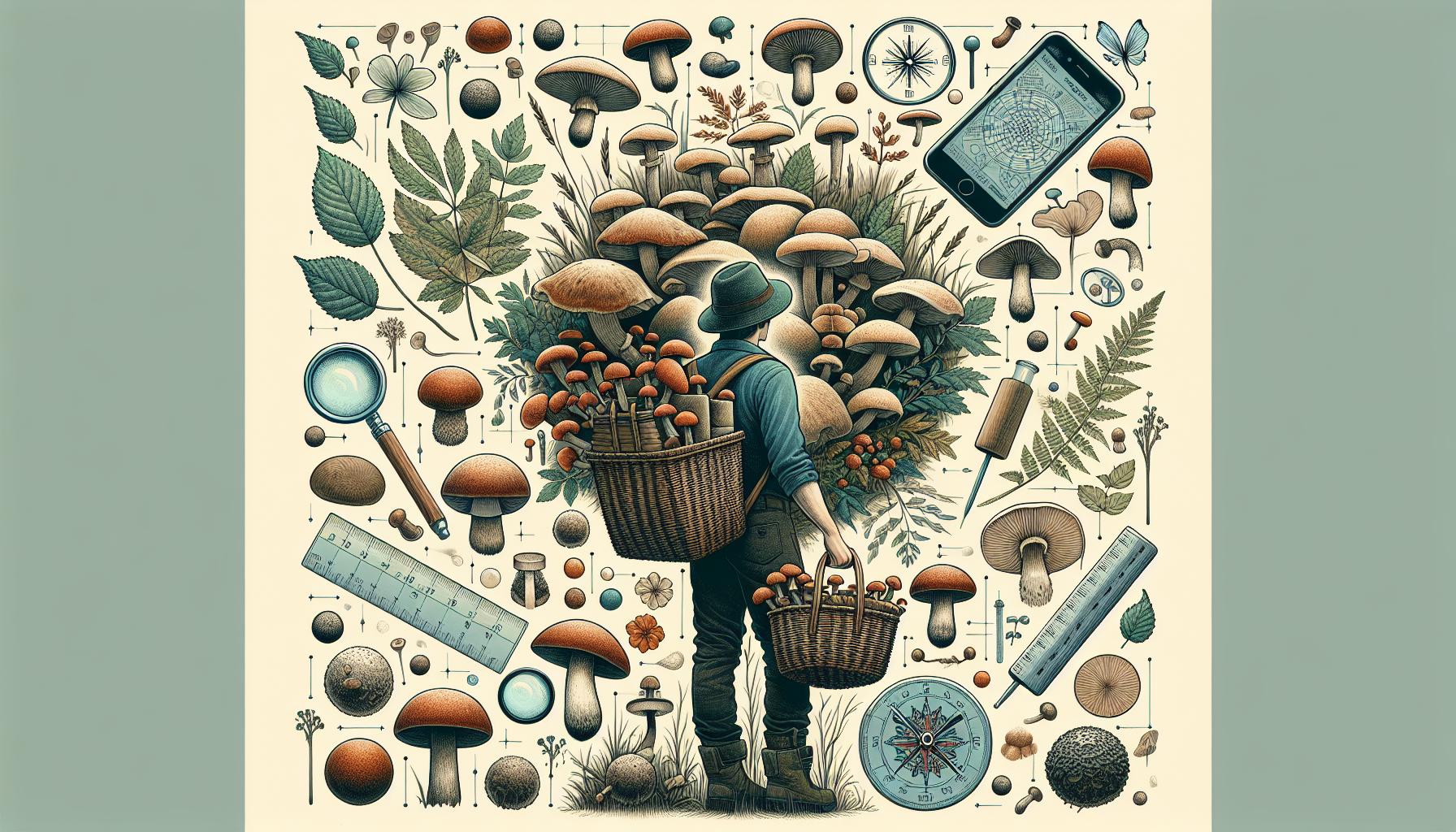
Safety First: Identifying Edible vs. Poisonous Mushrooms
Mushroom foraging can be a thrilling adventure, but it comes with significant responsibilities. Every year, it is estimated that hundreds of people fall ill due to mushroom poisoning, often because of misidentification. Understanding the difference between edible and poisonous mushrooms is crucial for anyone looking to celebrate National Mushroom Day through foraging. With the right knowledge, the woods can be a treasure trove of delectable fungi waiting to be discovered.
Key Characteristics to Observe
When identifying mushrooms, several key characteristics can provide insight into their edibility. Pay close attention to the following features:
- Cap Shape: Observe whether the cap is rounded, conical, or flat. Many edible mushrooms, like the common button mushroom, feature a rounded cap.
- Gills or Pores: Examine the undersides; gills usually indicate a gilled mushroom, while pores characterize boletes. For example, the chanterelle has distinct gills often resembling wrinkles.
- Stipe (Stem): Note the thickness, height, and whether it has a ring. Some mushrooms, such as the deadly amanita, possess a bulbous base, which can be a warning sign.
- Color: Look for variations in color, as some mushrooms can change significantly with age or exposure to light.
Common Edible vs. Poisonous Mushrooms
Not all mushrooms that look similar are safe to eat. Here’s a quick reference table to help distinguish between some commonly encountered edible and poisonous varieties:
| Mushroom Name | Edibility |
|---|---|
| Morel (Morchella) | Edible |
| Amanita muscaria (Fly Agaric) | Poisonous |
| Chanterelle (Cantharellus) | Edible |
| Amanita phalloides (Death Cap) | Highly Poisonous |
| Shiitake (Lentinula edodes) | Edible |
| Gyromitra esculenta (False Morel) | Highly Poisonous |
Practical Tips for Safe Foraging
- Be Educated: Invest time in reading field guides and attending local foraging workshops. Knowledge from seasoned foragers can significantly reduce the risk of errors.
- Use a Identification App: Leverage technology with mushroom identification apps that can assist in recognizing various species. These tools can be particularly helpful, but they should not replace traditional knowledge.
- Never Eat Alone: If you’re uncertain about a mushroom’s edibility, do not consume it. It’s always best to consult with an expert or experienced forager. Some clubs even organize group foraging trips, which can be both educational and fun.
- Observe Seasonal Changes: Remember that some mushrooms may only be identifiable during certain seasons, as their appearance can change. Keeping track of local patterns can enhance your chances of foraging safely.
By arming yourself with the knowledge to distinguish between edible and poisonous mushrooms, you can safely enjoy the wonders of the forest and celebrate National Mushroom Day with excitement and confidence. Always prioritize your safety first; foraging should be a journey of discovery, not one of regret.
Join the Celebration: How to Honor National Mushroom Day
Celebrating National Mushroom Day is a fantastic opportunity to immerse yourself in the delightful diversity of fungi. It’s not just about recognizing mushrooms; it’s about appreciating their role in our ecosystems and cuisines. With a variety of ways to honor this day, from culinary adventures to educational explorations, you can foster a greater connection to these fascinating organisms.
Explore Culinary Creations
One of the most enjoyable ways to celebrate is through cooking. Consider preparing a special dish using a selection of mushrooms. Whether you opt for the earthy flavor of portobello, the delicate taste of chanterelles, or the robust profile of shiitakes, there are countless recipes to explore. You might host a mushroom-themed dinner party where guests can bring their favorite mushroom dishes, or even hold a cooking class to learn how to prepare and enjoy various edible fungi.
- Portobello Burgers: Perfect for a satisfying meal, these can be grilled or roasted and topped with your favorite condiments.
- Mushroom Risotto: A creamy delight that highlights the rich flavors of sautéed mushrooms.
- Stuffed Mushrooms: These can be filled with cheese, herbs, and breadcrumbs for a savory appetizer.
Engage in Foraging Adventures
For those looking to connect more deeply with nature, consider organizing a foraging expedition. This is a great opportunity to learn about local mushroom species and their habitats while enjoying the outdoors. Ensure you do this with a knowledgeable guide or through a reputable foraging workshop to avoid picking toxic varieties.
Educate and Share
National Mushroom Day is also an excellent time to delve into the educational aspects of mushrooms. Organize a small seminar or a meetup for discussions on mycology, the ecological role of fungi, and the health benefits of incorporating mushrooms into your diet. Sharing recipes, tips, and insights can create a fun and informative atmosphere.
This celebration goes beyond enjoying delicious meals. By embracing the wonders of mushrooms through cooking, foraging, and educating others, you honor fungi in all their forms—making National Mushroom Day a truly enriching experience for everyone involved!
Creative Ways to Enjoy Mushrooms Beyond Cooking
Mushrooms are more than just a delicious ingredient to enhance a dish; they are versatile organisms that can be enjoyed in a multitude of creative ways. As National Mushroom Day celebrates the fascinating world of fungi, let’s delve into some innovative and unexpected methods to appreciate mushrooms outside the culinary realm.
Craft Projects with Mushrooms
One of the most delightful ways to enjoy mushrooms beyond the kitchen is to harness their natural beauty for crafting. Mushrooms can be transformed into unique home décor and gifts. Here are a few creative ideas:
- Spore Prints: Using fresh mushrooms, you can create stunning art pieces by making spore prints. Simply place the caps gill-side down on a piece of paper and cover them for a few hours. The spores will fall onto the paper, creating beautiful designs.
- Mushroom Cap Stamps: Cut the caps of larger mushrooms to use as stamps for creating unique patterns on card stock. These can serve as personalized wrapping paper or greeting cards.
- DIY Mushroom Bird Feeders: Hollow out large mushroom caps and fill them with birdseed. Hang them in your garden to attract local wildlife while showcasing these natural beauties.
Mushroom-Based Wellness Practices
Mushrooms have long been revered for their medicinal properties. Beyond their nutritional benefits, they can be integrated into wellness practices. Here are a couple of ways to explore their potential:
- Aromatherapy with Reishi: Known as the “mushroom of immortality,” Reishi mushrooms can be used to make essential oils or added to herbal blends. These can then be used for relaxation or meditation.
- Mushroom Tea: Infusing dried mushrooms such as Chaga or Cordyceps into hot water can create health-boosting teas. These beverages are celebrated for their immune-boosting properties, immunity support, and energy enhancement.
Educational and Foraging Adventures
If you’re keen on understanding the role of mushrooms in the ecosystem, consider engaging in foraging adventures. National Mushroom Day can inspire exploration in the wild. Here’s how:
- Mushroom Foraging Classes: Many local universities and community organizations offer foraging workshops led by mycologists. These classes can enhance your identification skills and teach you about sustainable gathering practices.
- Fungi Identification Walks: Join guided walks that focus on fungi identification. This can be a fun family activity where everyone learns about mushroom habitat, growth patterns, and safety tips for foraging.
- Join Online Fungi Communities: Participate in online forums or social media groups dedicated to mushroom foraging. Share experiences, photographs, and tips while connecting with fellow fungi enthusiasts.
Embracing these creative avenues not only enriches your appreciation for mushrooms but also connects you with others who share a passion for this extraordinary group of organisms.
Community and Connection: Sharing Your Mushroom Adventures
Engaging with the mushroom community can elevate your appreciation for these fascinating fungi. Whether you’re a seasoned forager or a novice cultivator celebrating National Mushroom Day, sharing your experiences can enrich your connection with others. From exchanging tips on cultivation techniques to sharing your favorite recipes, the world of mushrooms thrives on collaboration and community spirit.
Connect Through Social Media
Modern platforms provide an invaluable space for mushroom enthusiasts to congregate. Groups on Facebook, Instagram, and Reddit are brimming with advice, photos, and recipes. Engaging with fellow mushroom lovers enables you to:
- Share your own mushroom-growing successes and challenges.
- Learn from the experiences of others, improving your own techniques.
- Discover new recipes and cooking methods that celebrate mushrooms.
Consider starting a hashtag like #MushroomAdventures to document your journey, making it easier for others to find and connect with your posts.
Join Local Foraging Groups
For those interested in the foraging aspect, joining local mushroom foraging groups can lead to exciting adventures. Not only do these communities offer guided foraging experiences, but they also provide opportunities to learn about local species, ensuring that you forage safely and sustainably. Many of these groups organize events around National Mushroom Day, featuring workshops, foraging trips, and community cook-offs where participants showcase their culinary uses for mushrooms.
Host a Mushroom Tasting Event
One effective way to build community is through hosting a mushroom tasting event. Invite friends and family to sample various mushroom dishes you’ve prepared. Provide information about each type of mushroom, including its unique flavors and nutritional benefits. This not only fosters camaraderie but also sparks conversations around foraging and cooking. You can enhance the experience by incorporating details from “National Mushroom Day: Fungi Facts, Recipes & Foraging Adventures,” such as interesting fungal trivia and cooking tips.
In sharing your mushroom adventures, remember that the joy of cultivating and foraging is amplified when done together. Inspiring others with your stories and learning from their experiences can create lasting connections within this vibrant community.
Frequently asked questions
What is National Mushroom Day?
National Mushroom Day is celebrated on October 15, highlighting the diversity and benefits of mushrooms. It encourages everyone to appreciate these fascinating fungi and their role in the ecosystem and cuisine.
This special day invites *food enthusiasts*, *home chefs*, and *nature lovers* to explore the world of mushrooms through cooking, education, and foraging adventures. By sharing recipes and interesting fungi facts, National Mushroom Day fosters a sense of community and excitement around food and nature.
Why does National Mushroom Day matter?
National Mushroom Day matters because it raises awareness about the ecological importance and health benefits of mushrooms. By celebrating this day, we promote sustainable foraging practices and encourage culinary creativity.
Mushrooms are not only delicious but also packed with nutrients. They serve as a vital part of many ecosystems, and by understanding their role, we can practice better conservation methods. Celebrating with delicious recipes can also inspire others to incorporate more *mushrooms* into their diets.
How can I participate in National Mushroom Day: Fungi Facts, Recipes & Foraging Adventures?
You can participate in National Mushroom Day by cooking mushroom dishes, trying out new recipes, and learning about local fungi. Engage with your community through workshops or foraging events!
Consider exploring *local farmers’ markets* or *mushroom festivals* where you can find fresh mushrooms and meet others who share your passion. Whether it’s sharing your favorite recipes or going on a foraging adventure, your participation can inspire others to join in the fun!
Can I forage for mushrooms safely?
Yes, you can forage for mushrooms safely, but it’s essential to educate yourself first. Always ensure you can positively identify any mushroom before consuming it to avoid toxic varieties.
What are some popular mushroom recipes for National Mushroom Day?
Popular mushroom recipes include stuffed mushrooms, mushroom risotto, and creamy mushroom soup. These dishes highlight the *unique flavors* and versatility of mushrooms, making them a delightful addition to any meal.
Many recipes are simple and encourage creativity. You can even explore baking with mushrooms, adding them to sauces, or using them in salads. Check out more scrumptious *mushroom recipes* to make your National Mushroom Day celebrations delicious!
Why should I include mushrooms in my diet?
Including mushrooms in your diet offers numerous health benefits, such as being low in calories while providing essential nutrients like vitamins D and B. They are also rich in antioxidants.
Mushrooms contribute to a balanced diet and can enhance flavor without adding extra fat or sodium. Celebrating National Mushroom Day is a perfect opportunity to learn more about these little-powerhouses and experiment with their health benefits in your meals.
Where can I find mushrooms for foraging?
You can find mushrooms for foraging in forests, fields, and parks, but it’s important to research local guidelines regarding foraging areas. Look for sites that are known for their biodiversity.
The Conclusion
As we wrap up our exploration of National Mushroom Day, let’s celebrate the incredible diversity of fungi that enrich our lives in so many ways! From the culinary delights of portobello and shiitake mushrooms to the fascinating ecological roles they play, there’s much to appreciate about these remarkable organisms. We hope you feel inspired to experiment with new recipes, venture out on foraging adventures, and share your favorite mushroom dishes with friends and family. Remember, mushrooms are not just a food; they are a wonderful world of flavors, health benefits, and creativity waiting to be explored. Join the celebration, and let’s make every day a little more mushroom-filled! Happy foraging and feasting!
Get our latest guides, news, and insights highlighted in your Google Search & AI Overviews.


